
The twelve animals of the Chinese zodiac, Rat, Ox, Tiger, Rabbit, Dragon, Snake, Horse, Goat, Monkey, Rooster, Dog, and Pig, form a twelve-year repeating cycle that has been central to East Asian calendrical and cultural life for over two thousand years. Each animal year has its own associations, personality attributions, and auspicious meanings. The animals aren't primarily about astrology in the Western sense; they're embedded in a broader cosmological system involving the five elements, yin and yang, and the sexagenary cycle of sixty unique year-types. Understanding the animals properly means understanding this larger system.
The Twelve Animals and Their Core Character
Rat (子, Zǐ)
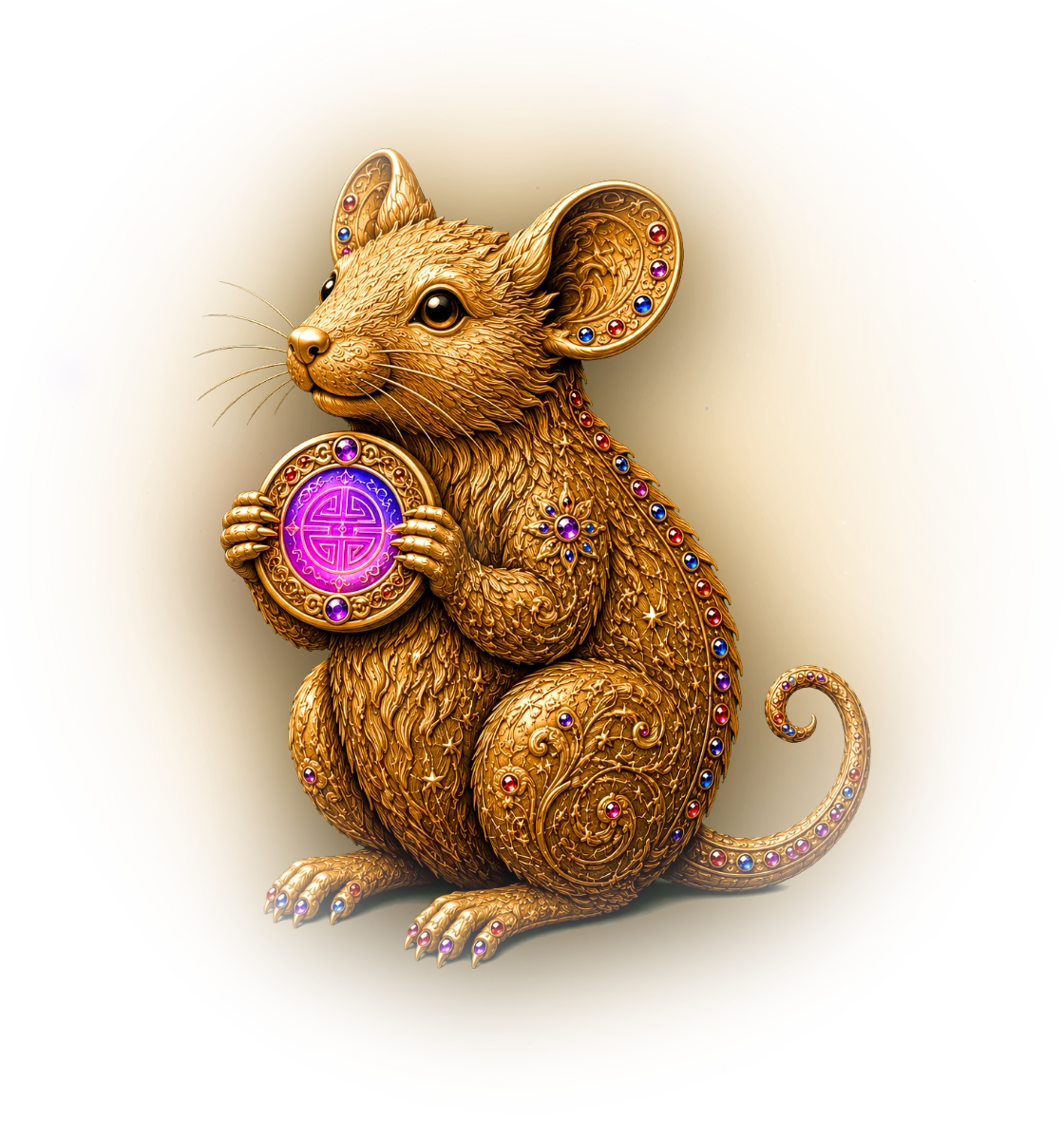
First in the cycle, traditionally by virtue of winning the Jade Emperor's great race. The Rat is associated with intelligence, adaptability, and resourcefulness. Rat people are typically quick-witted, observant, and skilled at operating in complex social environments. The shadow side is opportunism and a tendency to acquire beyond need.
Ox (丑, Chǒu)
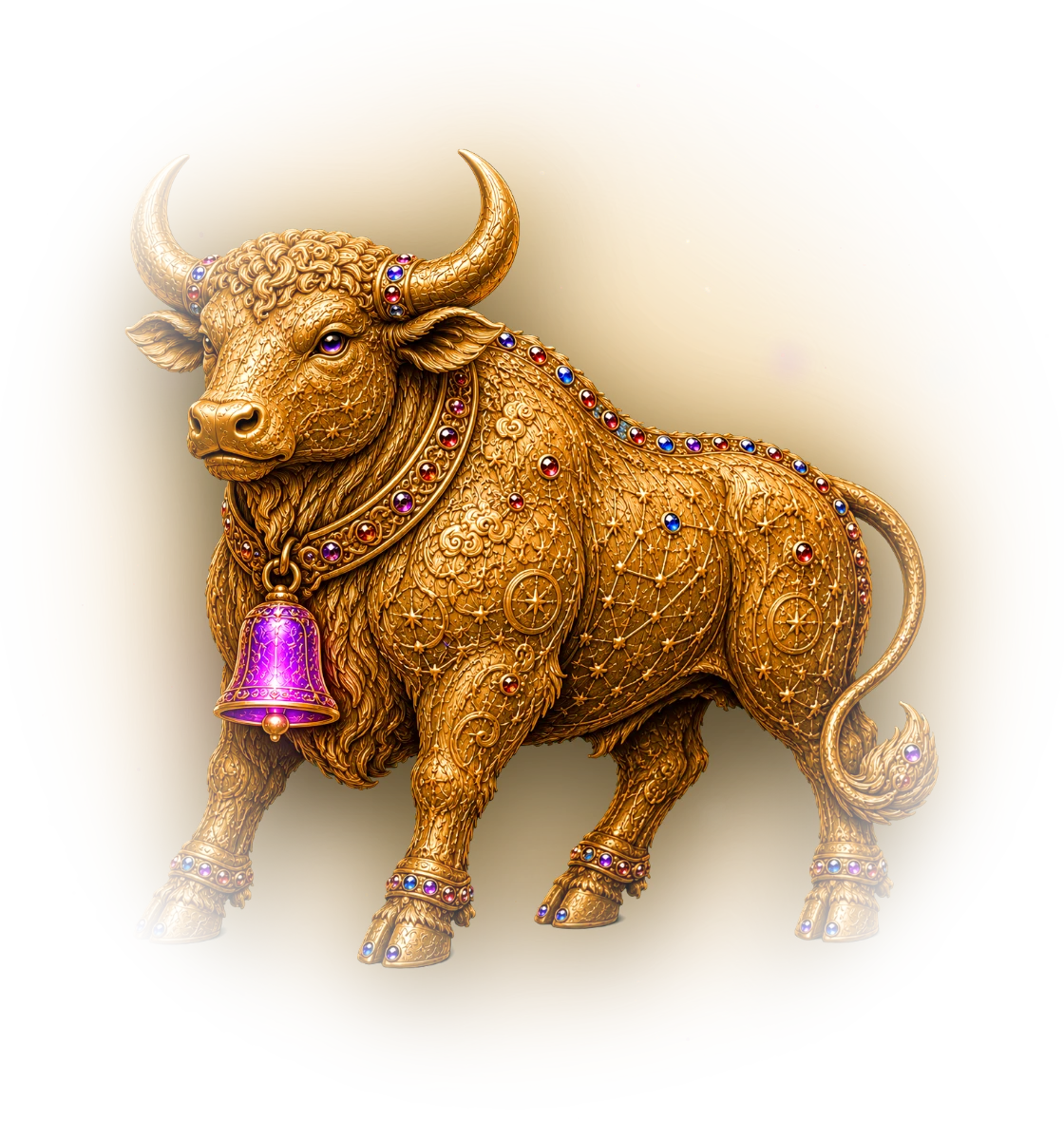
Diligent, patient, and methodical. The Ox achieves through sustained effort rather than inspiration. Reliable and stubborn in roughly equal measure, the same persistence that makes them accomplished can make them resistant to necessary change. Associated with agricultural prosperity and hard work.
Tiger (寅, Yín)

Brave, competitive, and unpredictable. Tigers move between intense action and contemplation, often dramatically. They have strong leadership capacity and an equally strong tendency to act impulsively. Respected but not always easy to live or work with.
Rabbit (卯, Mǎo)
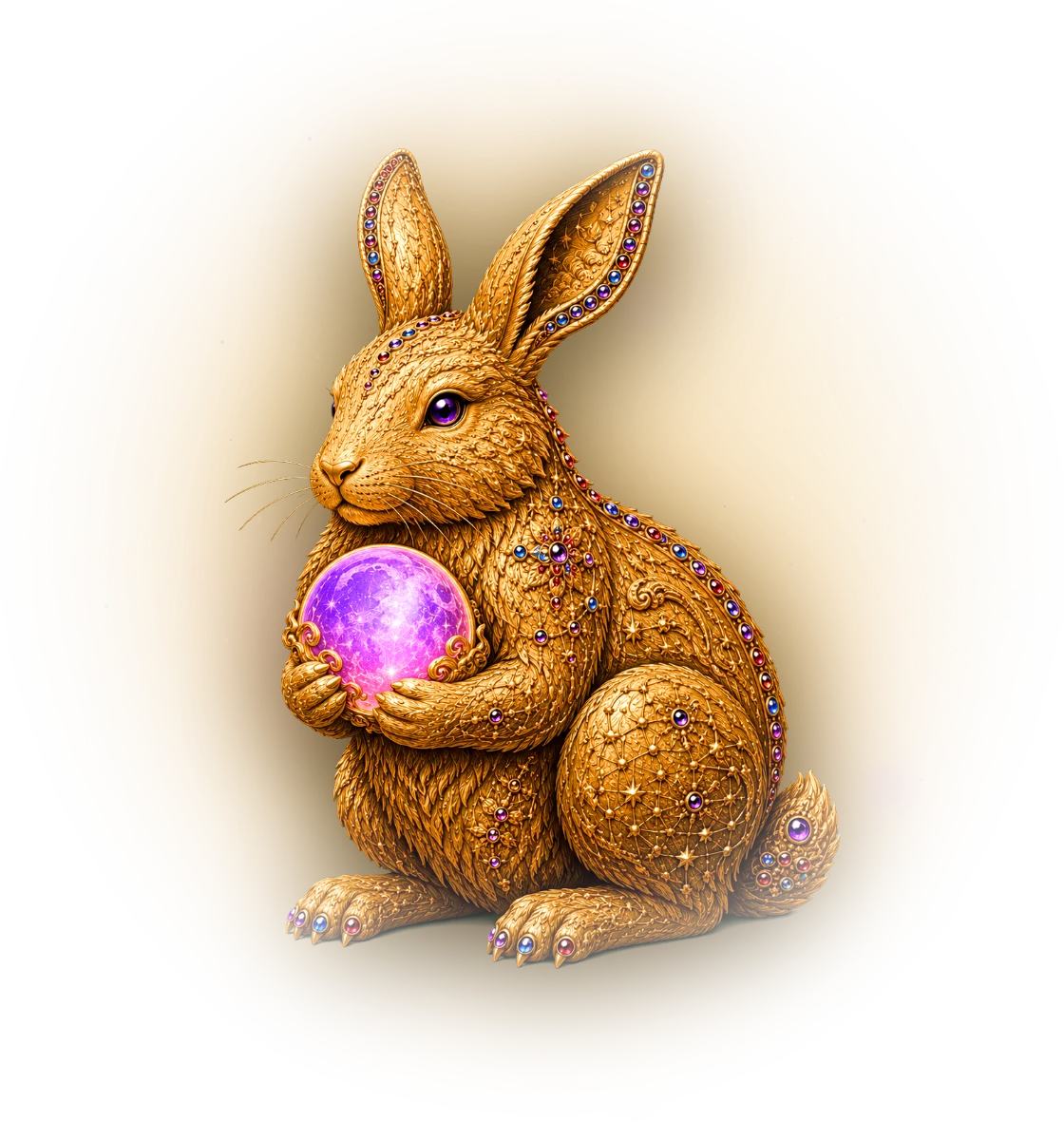
Gracious, cautious, and conflict-averse. Rabbit people navigate social environments diplomatically, prefer comfort and stability, and tend to avoid confrontation past the point of usefulness. Artistic sensibility is common. Can be overly cautious or conflict-avoidant to the point of self-neglect.
Dragon (辰, Chén)

The only mythological creature in the cycle and the most auspicious sign. Charismatic, confident, and ambitious. Dragons attract attention and resources; they often achieve significant things and sometimes generate significant resentment in the process. Associated with imperial authority in Chinese tradition.
Snake (巳, Sì)
Wise, intuitive, and private. Snakes think deeply and act deliberately, processing far more than they reveal. They have refined aesthetic sense and often strong financial instincts. The shadow is possessiveness and difficulty with trust.
Horse (午, Wǔ)
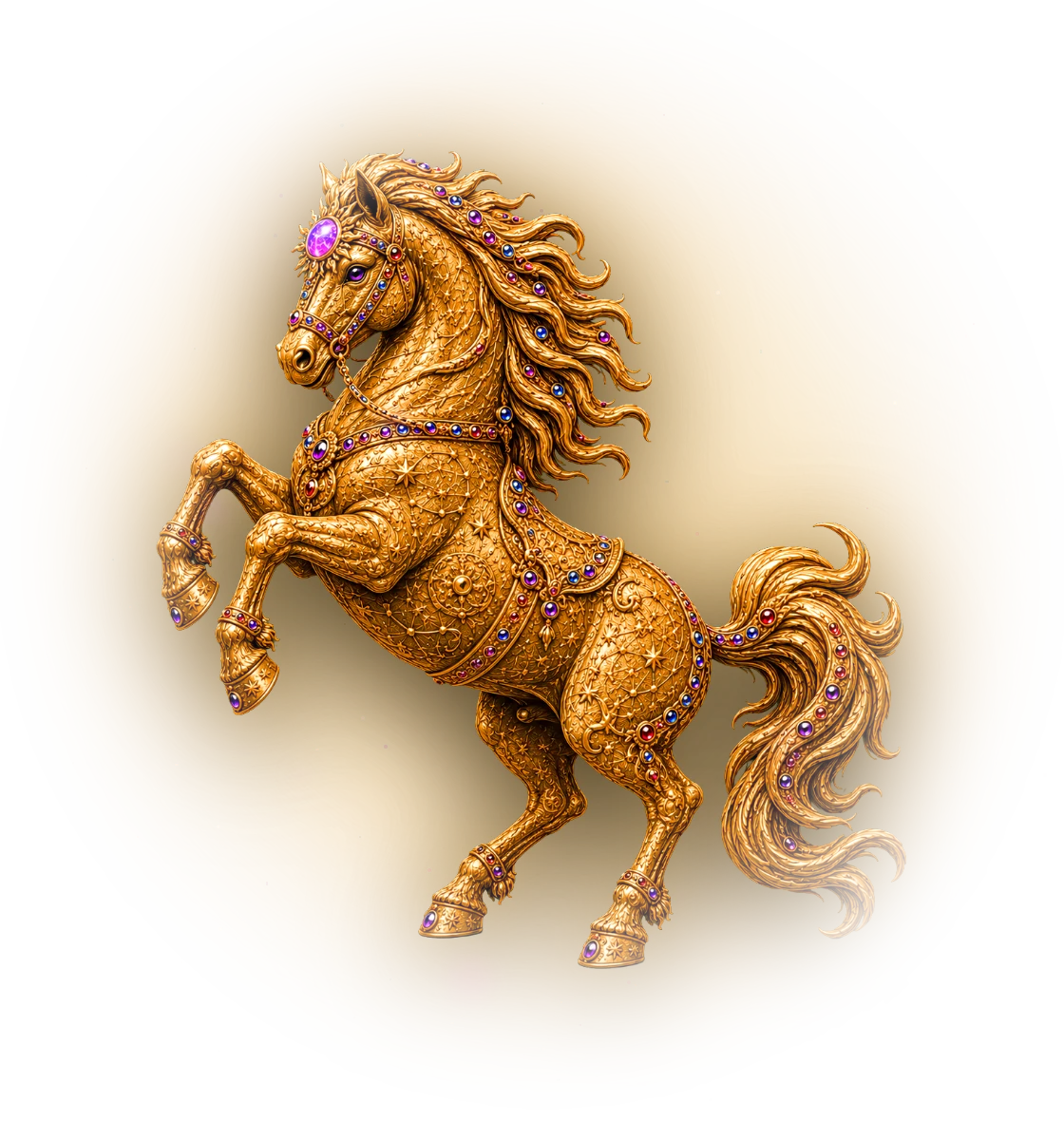
Energetic, freedom-loving, and socially gifted. Horses need movement, physical, mental, and social, and chafe under constraint. They're excellent in roles requiring adaptability and quick response; they struggle with sustained routine. Warm and generous, sometimes to the point of impracticality.
Goat (未, Wèi)
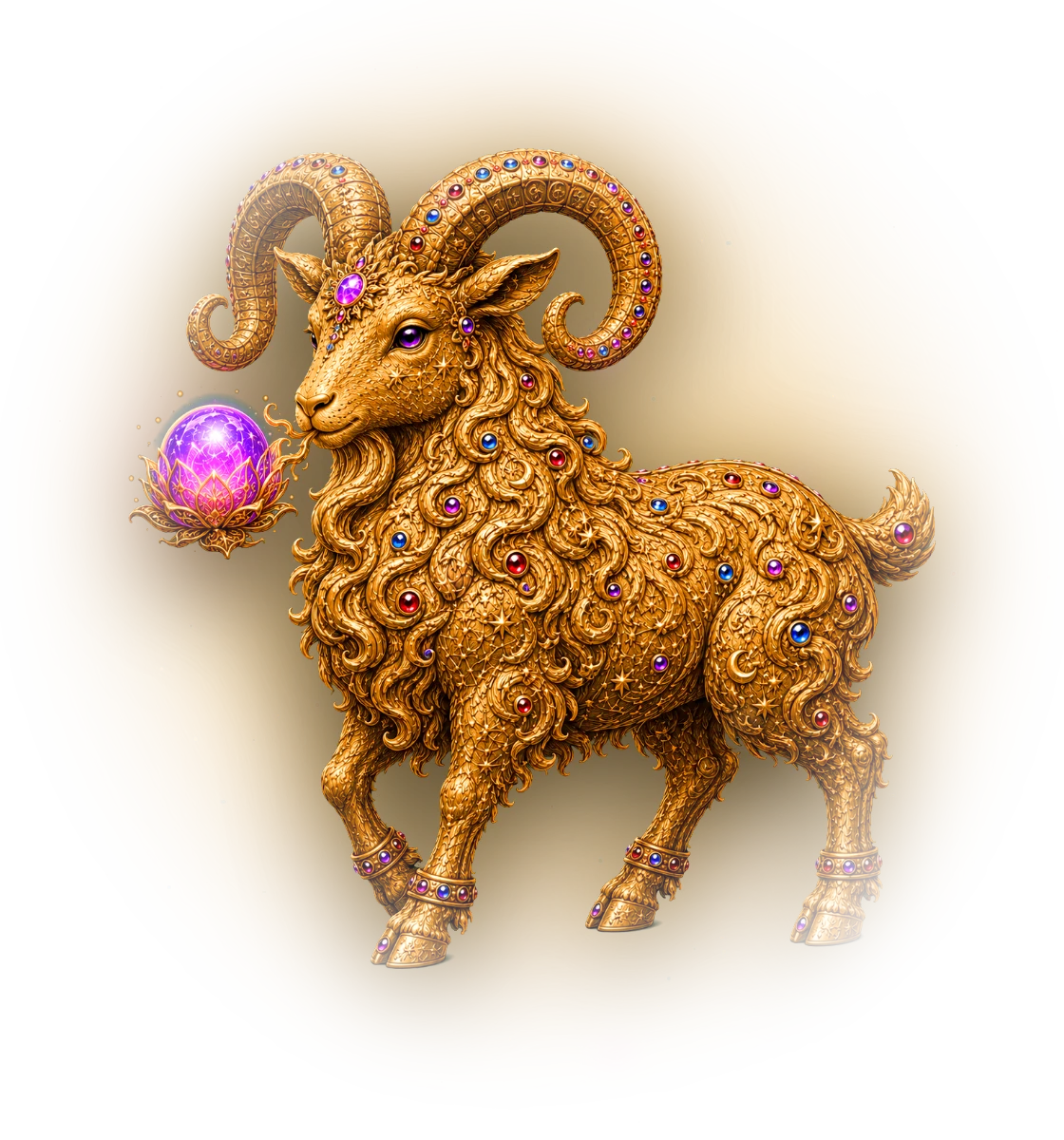
Also called Sheep or Ram. Creative, empathic, and drawn to beauty. Goat people have strong aesthetic sensibility and genuine care for others, but tend toward insecurity and can find direct confrontation genuinely destabilising. Work best in supportive environments rather than competitive ones.
Monkey (申, Shēn)
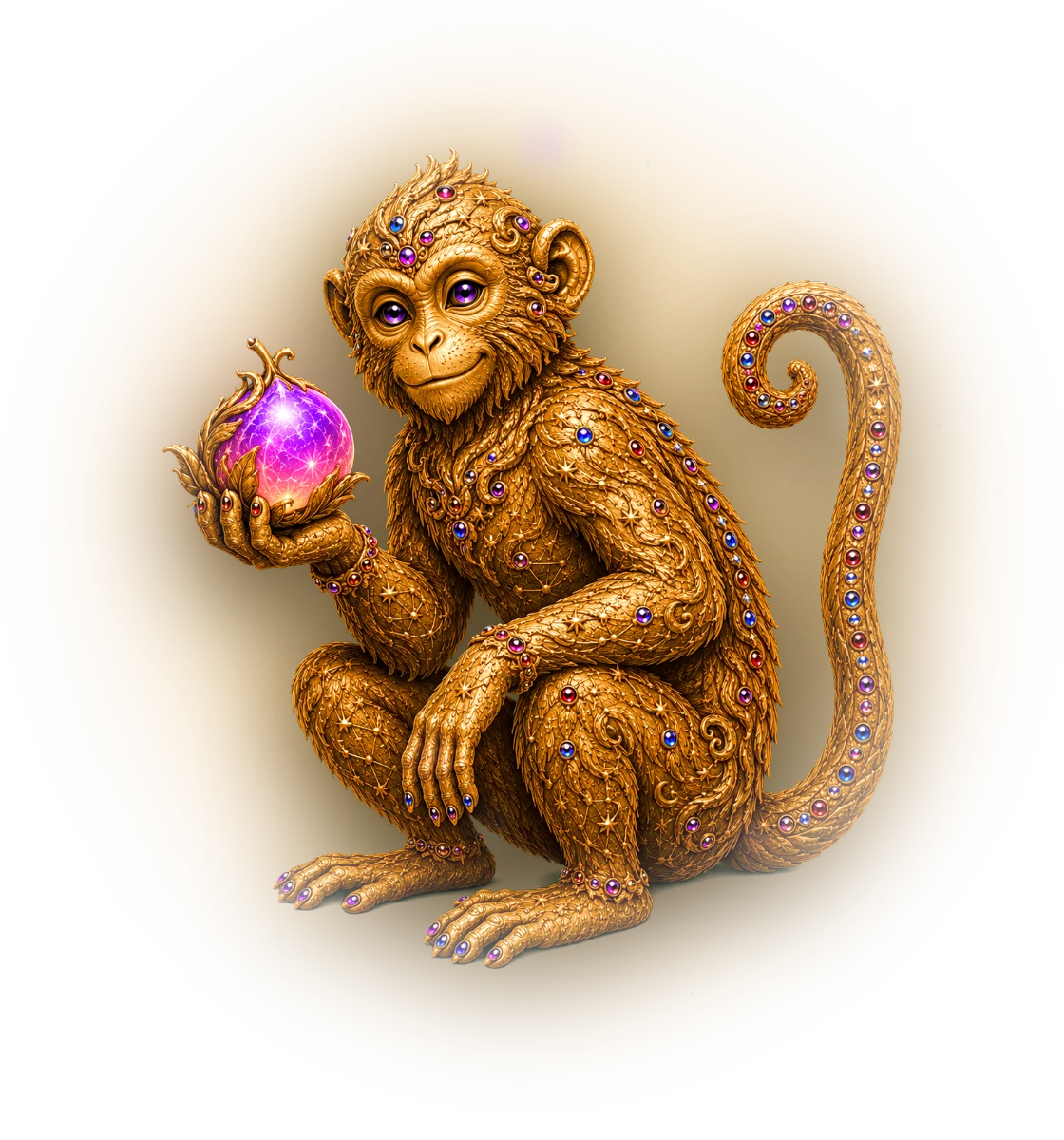
Clever, inventive, and sociable. Monkeys solve problems quickly and find creative shortcuts that more methodical types miss. They get bored easily and can be unreliable over long projects. Charming and witty but sometimes manipulative when they feel constrained.
Rooster (酉, Yǒu)
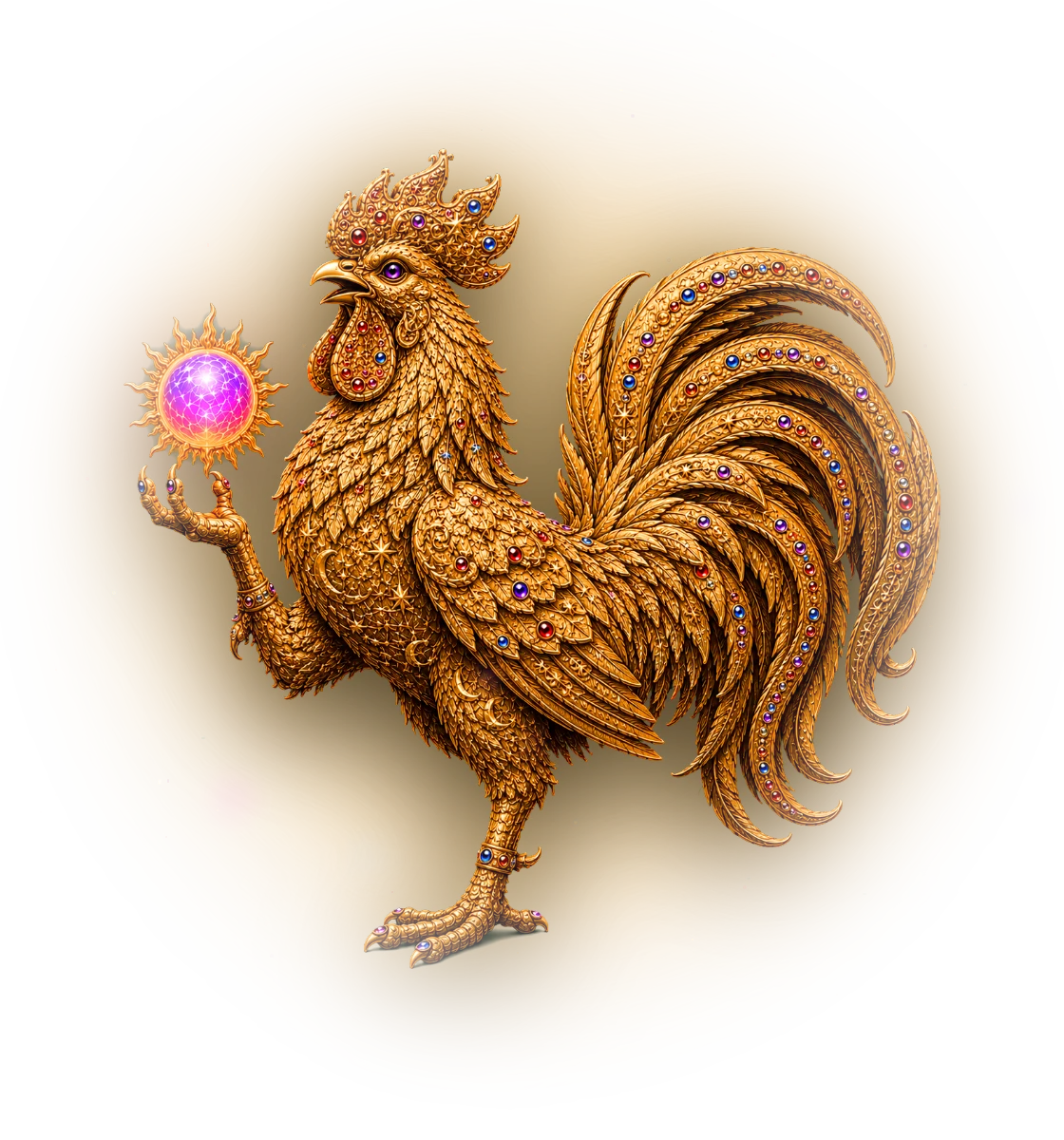
Observant, hardworking, and organised. Roosters are excellent at spotting problems, planning systems, and following through on complex tasks. They can be critical, of themselves and others, and their perfectionism sometimes makes them difficult colleagues despite their genuine competence.
Dog (戌, Xū)
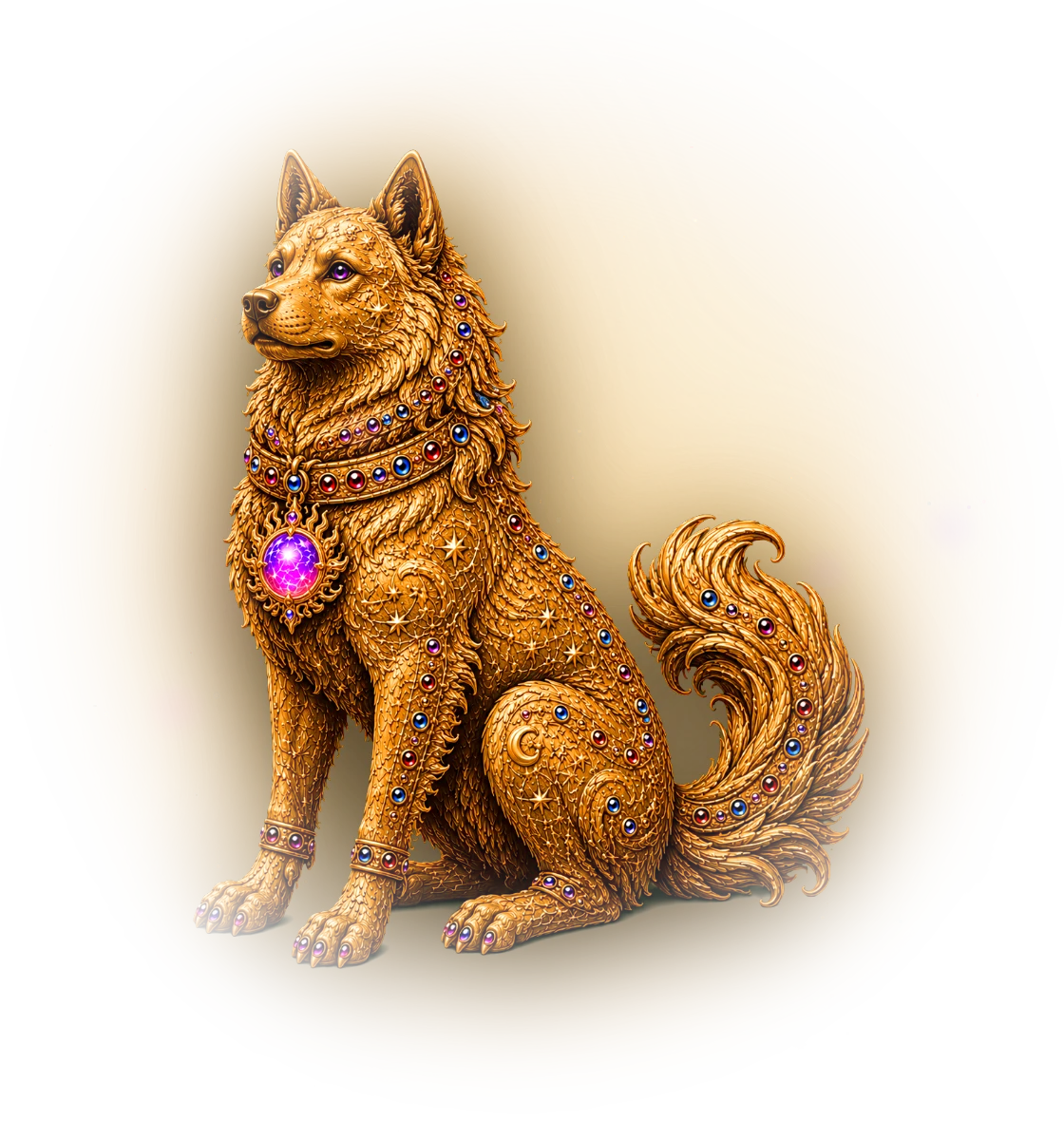
Loyal, honest, and protective. Dogs are motivated by fairness and commitment. They make trustworthy partners and friends but can become anxious when their sense of security is threatened. Tend toward pessimism as a form of risk management.
Pig (亥, Hài)
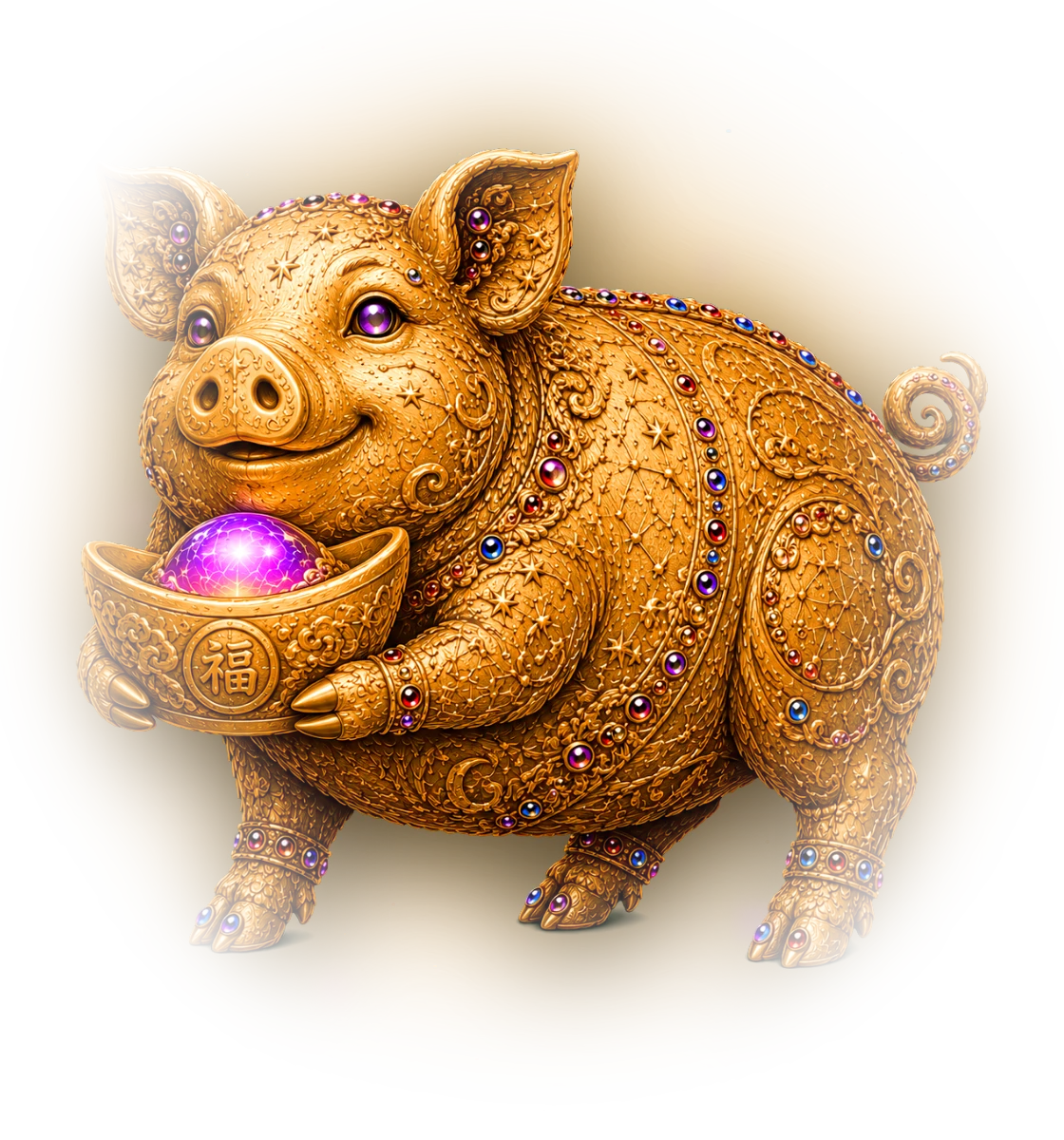
Last in the cycle but thoroughly positive in traditional description. Generous, sincere, and pleasure-oriented. Pigs are warm and socially open, enjoy sensory experience, and tend toward abundance in all forms. The shadow is naivety and difficulty saying no.
The Sexagenary Cycle and the Five Elements
The twelve animals don't operate in isolation. Each year is also assigned one of the five elements, Wood, Fire, Earth, Metal, Water, producing a sixty-year cycle (12 × 5 = 60) before any particular year type repeats exactly. A Metal Rat year is meaningfully different from a Water Rat year, even though both share the Rat character.
The elements add a second layer of description: Wood years emphasise growth and idealism; Fire years bring intensity and transformation; Earth years favour stability and pragmatism; Metal years carry strength and precision; Water years bring wisdom, flexibility, and sometimes unpredictability. The element-animal combination characterises the year and influences the traditional expectations for people born in that year.
Compatibility in the Chinese Zodiac System
Traditional compatibility analysis in the Chinese zodiac system works through several mechanisms: the four "trios" (compatible groupings of three animals), the six "pairs" (traditionally compatible partnerships), and the six "clashes" (traditionally challenging pairings). The most frequently cited trios are Rat-Dragon-Monkey (strategists and social operators), Ox-Snake-Rooster (persevering and detail-oriented), Tiger-Horse-Dog (action-oriented and justice-focused), and Rabbit-Goat-Pig (creative and socially gentle).
These compatibility assessments should be understood as broad tendencies within a much larger system, not as deterministic predictions. The full ba zi (Four Pillars) reading, year, month, day, and hour animals and elements, produces sixty different possible pillar values for each position, creating a more complex and more individual picture than sign compatibility alone.
For a full Chinese zodiac profile including element year, compatibility tendencies, and the year's traditional associations, our free Chinese zodiac test gives you the complete picture.
Frequently Asked Questions
What are the twelve Chinese zodiac animals in order?
Rat, Ox, Tiger, Rabbit, Dragon, Snake, Horse, Goat, Monkey, Rooster, Dog, Pig. The cycle repeats every twelve years, with the New Year (falling on the second new moon after the winter solstice) marking the transition from one animal year to the next.
What is the most powerful Chinese zodiac animal?
The Dragon is the most auspicious in traditional Chinese culture, the only mythological creature in the cycle, associated with imperial authority, charisma, and fortune. Dragon years typically see higher birth rates in China and many East Asian countries. That said, "most powerful" depends heavily on context and on which qualities are valued.
Is the Chinese zodiac accurate?
As a personality system, the Chinese zodiac describes recognisable character patterns that many people find resonant, but so do many folk psychology frameworks. There's no scientific evidence that birth year determines personality or life outcomes. The system's most faithful practitioners understand it as one interpretive layer within a much more complex cosmological framework, not as a deterministic personality classifier.
What is the difference between the Chinese zodiac and Western astrology?
The Chinese zodiac is a year-based system, your sign is determined by birth year, not month. Western astrology is primarily solar, your Sun sign is determined by birth month. The Chinese system also incorporates the five elements, yin-yang, and multiple "pillars" (year, month, day, hour) for a complete analysis. Both traditions have their own internal logic and interpretive frameworks that don't map cleanly onto each other.
Can you be two Chinese zodiac signs?
In simplified Western usage, you have one sign determined by birth year. In the traditional Chinese ba zi system, you have four "pillars," each with an animal and element, year, month, day, and hour pillars, so you actually have four different animal signs, each describing different aspects of your character and life circumstances. The year pillar is simply the most publicly visible and commonly cited.